23/08/2025
Creating a waste-free household may seem daunting at first, but adopting eco-friendly habits can be simple, practical, and empowering.
Creating a waste-free household may seem daunting at first, but adopting eco-friendly habits can be simple, practical, and empowering.

In today's fast-paced world, our lives are often overloaded--physically, mentally, and emotionally. Clutter in our homes and workspaces can seem innocuous, but it carries an unseen burden that inhibits our peace of mind.
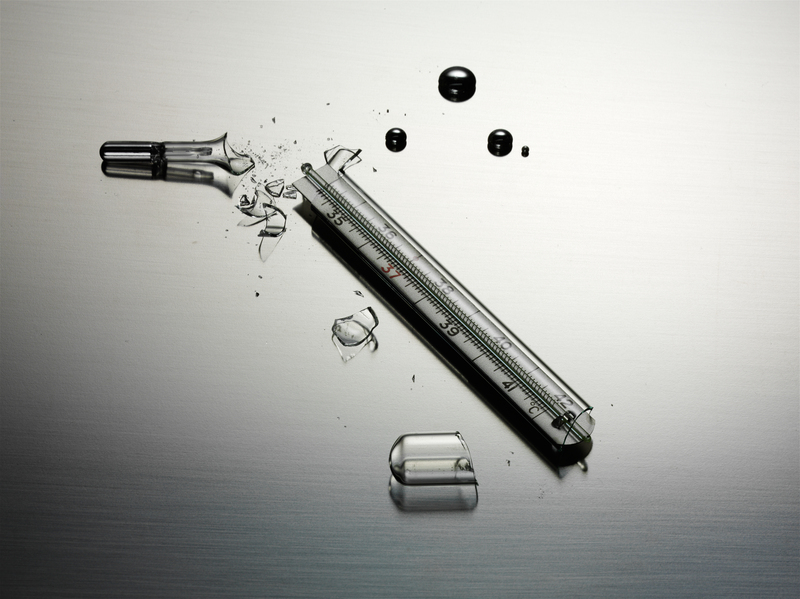
Managing waste is an essential part of maintaining a clean and healthy environment. But what happens when you miss your scheduled bin day?
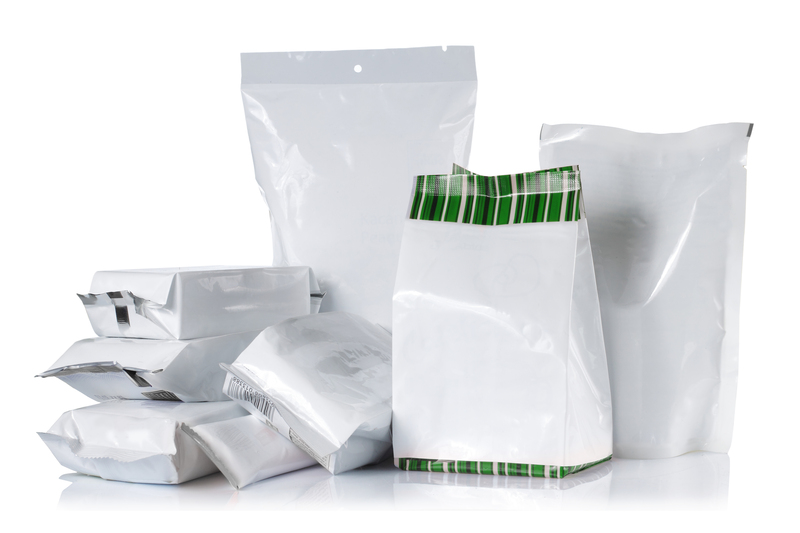
Efficient waste management is not just about throwing items into the garbage bin. It's a crucial step towards sustainability, reducing pollution, and creating a healthier home environment.
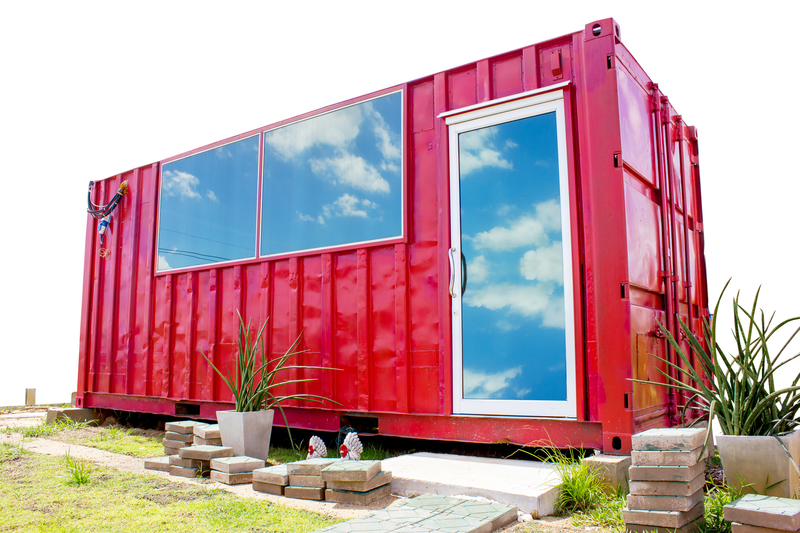
The issue of microplastic pollution has emerged as one of the most challenging environmental problems in the modern age.


Old phone and laptop chargers are lurking in drawers across the world. With constant device upgrades and rapidly advancing technology, electronic waste--also called e-waste--has become a mounting global challenge.

Understanding hazardous waste is critical for public health, environmental protection, and compliance with local and international laws.

Introduction The Dynamic Process of Plastic Recycling is transforming how we design products, manage materials, and build circular economies.
In a world where our homes double as workspaces, schools, and sanctuaries, clutter removal solutions have become more vital than ever. Clutter can overwhelm our senses, reduce productivity, and impact mental well-being.

In recent years, growing conversations around environmental protection and sustainable living have brought special focus to plastics to elude in our daily lives.
Creating a waste-free household may seem daunting at first, but adopting eco-friendly habits can...
In today's fast-paced world, our lives are often overloaded--physically, mentally, and...
Managing waste is an essential part of maintaining a clean and healthy environment. But what...
Efficient waste management is not just about throwing items into the garbage bin. It's a crucial...
The issue of microplastic pollution has emerged as one of the most challenging environmental...
Old phone and laptop chargers are lurking in drawers across the world. With constant device...
Understanding hazardous waste is critical for public health, environmental protection, and...
Introduction The Dynamic Process of Plastic Recycling is transforming how we design products,...
In a world where our homes double as workspaces, schools, and sanctuaries, clutter removal...
In recent years, growing conversations around environmental protection and sustainable living...
Please fill out the form and we will get back to you as soon as possible.