Recycling and Sustainability for House Clearance Finchley
Our Finchley team takes a measured, transparent approach to sustainable rubbish removal and eco-friendly waste disposal. As a local Finchley house clearance provider we balance practical clearance with a commitment to reducing landfill, supporting reuse and strengthening the circular economy across the borough. This page outlines our recycling targets, how we work with local transfer stations, partnerships with charities, and the low-carbon vans and methods we use to keep waste out of landfill and in productive use.Our Recycling Percentage Target
We set an ambitious, measurable target: to achieve a 75% overall recycling and reuse rate for all house clearance projects in Finchley by the end of 2028. That target covers materials diverted from landfill through recycling, donation, refurbishment and industrial reprocessing. We track progress quarterly and publish summaries so customers can see how much waste from each job is reused, recycled or responsibly disposed of. Our long-term aim is to increase this toward an 85% reuse/recycling target by 2035.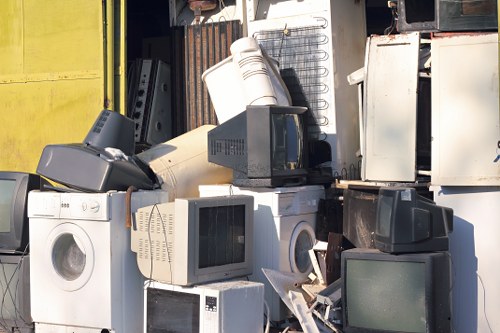
Local Transfer Stations & Borough Waste Approach
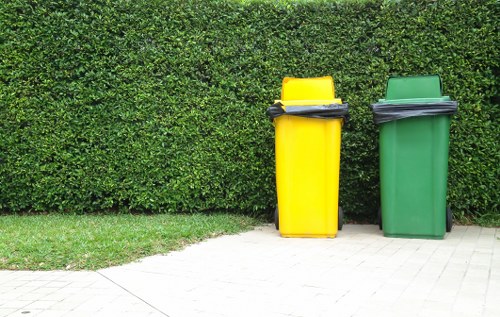
We work closely with local transfer stations and processing facilities to ensure materials are sorted correctly. Typical sites we partner with include Hendon Transfer Station and North London Waste Authority (NLWA) network locations, which accept segregated loads of wood, metal, glass, card and inert materials. The London Borough of Barnet encourages separate streams for paper and card, glass and cans, food and garden waste and bulky collections; our Finchley clearance teams follow these local systems so recyclables are directed to the right municipal and commercial channels.Partnerships with Charities and Reuse Organisations
We prioritise reuse: functional furniture, working appliances, textiles and select homewares are offered to charity partners before being recycled. Our partnerships include national charities (such as the British Heart Foundation and Emmaus partner networks) and local Barnet community groups that run furniture rehoming and low-cost reuse schemes. Donations reduce disposal costs and benefit local people. Items unsuitable for donation are photographed and listed for salvage or refurbishment so they can be repaired and reused locally rather than scrapped.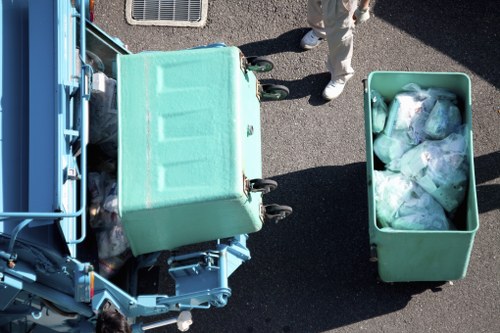
Sustainable Disposal Practices
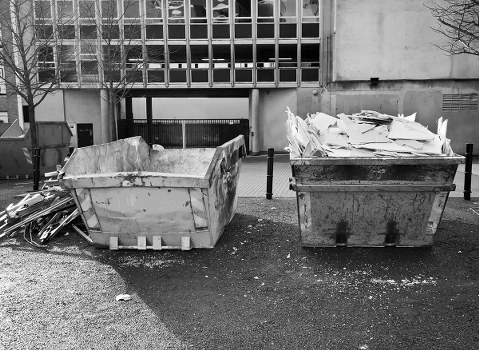
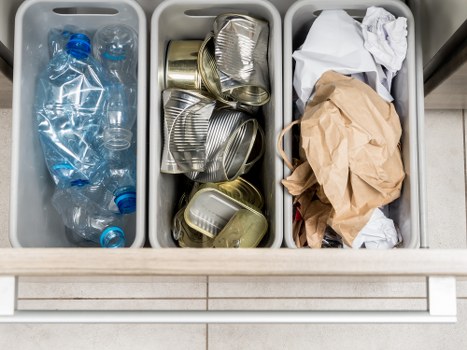
Our Finchley clearance services employ a strict source-sorting process: we separate electronics (WEEE), mixed construction waste, timber, metals, plastics and cardboard on site whenever possible. Hazardous items such as asbestos-containing materials or certain solvents are isolated and sent to licensed hazardous-waste contractors. Organic matter (garden and food waste) is diverted to composting facilities; clean timber and pallet wood are sent for chipping and reuse. This multi-stream approach mirrors the Borough's emphasis on separation at source and increases recovery rates across every job.Practical Steps We Take
- Pre-clearance audits to identify items for donation, salvage and hazardous handling.
- On-site sorting to maximise recyclable loads and reduce cross-contamination.
- Documentation and reporting so customers know the recycling outcome for their clearance.
Low-carbon Vans and Greener Logistics
Our fleet includes electric and hybrid vans alongside efficient diesel models being phased out. We use route optimisation software to reduce mileage and empty trips, and employ cargo bikes for short-distance transports within Finchley where regulations and safety permit. These measures collectively target a 30% reduction in operational CO2 emissions by 2027 compared to our 2022 baseline. Low-carbon transport is a core part of being an environmentally responsible house clearance in Finchley provider.To support low-emission work we also: schedule multi-drop collections to maximise vehicle utilisation, consolidate loads to local transfer stations to lower haulage emissions, and encourage clients to agree in advance on items that can be separated for recycling or donation. For bulky furniture, coordinated deliveries to charity partners reduce double-handling and unnecessary mileage.