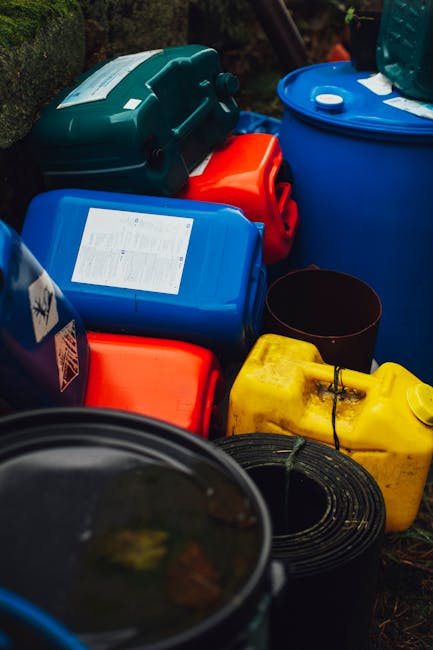
What Finchley residents must know about hazardous waste rules
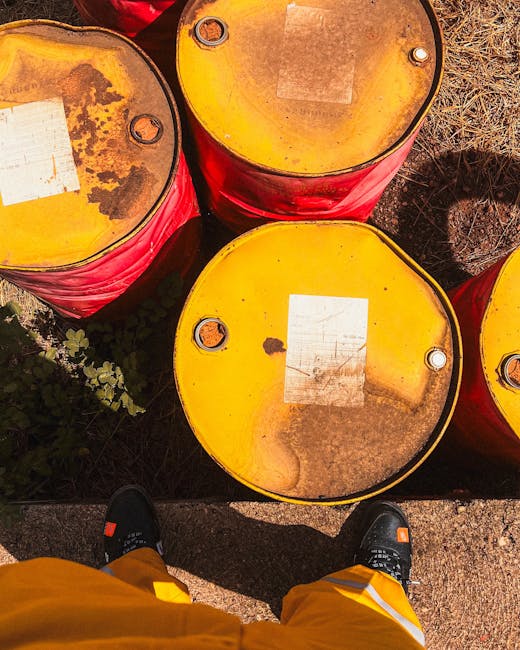
If you live in Finchley, hazardous waste can creep into everyday life in ways people do not always expect. A half-used tin of paint in the shed, an old battery tucked in a drawer, a leaking cleaner under the sink, or a broken fluorescent tube in the loft - all of it can raise questions once you start clearing a home. And truth be told, the rules are less about being fussy and more about keeping people safe.
This guide explains what Finchley residents must know about hazardous waste rules in plain English: what counts as hazardous, how it should be separated and stored, why disposal needs care, and what to do if you are dealing with a house clearance, garage tidy-up, or office move. You will also find practical steps, common mistakes, and a checklist you can actually use.
Key takeaway: if a waste item can burn, corrode, poison, irritate, or harm the environment, treat it carefully until you know exactly how to dispose of it. That simple habit prevents most headaches.
Why What Finchley residents must know about hazardous waste rules Matters
Hazardous waste matters because it does not behave like ordinary rubbish. A normal black bag can hold food packaging, old paperwork, and broken household items. Hazardous waste, by contrast, can react, leak, ignite, or create fumes if it is mishandled. That is why rules exist, and why they are especially relevant during clear-outs when people are dealing with mixed waste in one go.
In Finchley, the issue often comes up during house clearance, home clearance, and garage clearance. A loft may contain old tins of solvent, a garage may hide motor oil or batteries, and a shed might have pesticide containers left by previous owners. None of that is unusual. It is just the kind of thing people find only when they start moving furniture, lifting boxes, and opening dusty cupboards on a rainy Saturday morning.
There is also a wider responsibility. Hazardous waste is not just a private household matter; it affects waste collectors, neighbours, street cleaners, recycling facilities, and the local environment. A cracked container in the wrong bin can contaminate other waste. A leaking canister in a skip can cause real trouble for the person handling it later. So yes, the rules are practical, but they are also protective.
For residents, the biggest benefit of understanding the rules is simple: fewer surprises. You avoid rejected collections, extra sorting, accidental contamination, and the uncomfortable moment when you realise a "normal" item is actually not normal at all. It happens more often than people like to admit.
How What Finchley residents must know about hazardous waste rules Works
At a basic level, hazardous waste handling follows a simple principle: identify it, separate it, store it safely, and send it to the right disposal route. The challenge is that many household items do not look dangerous at first glance. A cleaning spray, for instance, may seem harmless until you read the label and notice the warning symbols. Same with batteries, electronic equipment, or tins with chemical residue.
In everyday terms, the process usually works like this:
- Spot the item - ask whether it contains chemicals, oils, solvents, acids, batteries, gas, mercury, asbestos, or strong cleaning agents.
- Keep it separate - do not mix it with general rubbish, garden waste, or bulky furniture.
- Leave the original label on, if possible - this helps identify the contents later.
- Store it upright and secure - especially if it could leak, spill, or break.
- Arrange the correct disposal route - through a proper waste collection or an approved local disposal route.
That sounds straightforward, but the detail matters. For example, a half-full paint tin is not the same as an empty and fully dried tin. A cracked aerosol can is not the same as a harmless empty can. And a battery mixed into a bag of household scrap can cause problems long before it reaches a facility. One small item can create a big mess. Annoying, really.
If you are sorting waste alongside heavy items or mixed clutter, it often helps to combine careful segregation with broader clearance planning. Services such as waste removal or furniture disposal may be useful for the non-hazardous parts of the job, while hazardous items are handled separately. That split keeps the process more orderly and less stressful.
Key Benefits and Practical Advantages
Knowing the rules is not just about avoiding penalties. It also makes the whole clearance process calmer, faster, and more predictable. That is especially useful if you are clearing a property under time pressure, preparing for a move, or sorting a relative's home after a difficult period.
- Safer handling: fewer spill risks, fewer fumes, and less exposure to irritating substances.
- Smoother collections: clear separation means the waste can be dealt with properly the first time.
- Less contamination: recyclable and non-hazardous waste are less likely to be ruined by careless mixing.
- Lower stress: you do not have to guess at the last minute what should go where.
- Better planning: it is easier to estimate what support you need before the clear-out starts.
There is also a practical cost angle. A well-sorted job is usually more efficient than a messy one. If someone turns up to collect mixed waste and discovers items that need special treatment, the job can slow down. The cleaner the separation, the smoother the day. Simple as that.
For households and landlords, understanding hazardous waste rules can also help avoid awkward conversations later. You do not want a tenant, buyer, or neighbour discovering old chemicals left behind in a cupboard. A bit of forethought saves a lot of explaining.
Who This Is For and When It Makes Sense
This guidance is for anyone in Finchley who might encounter hazardous waste in a home, flat, garage, loft, garden, or business premises. That includes homeowners, tenants, landlords, executors, letting agents, tradespeople, and small businesses. If you are clearing a property, refurbishing a room, or emptying a storage area, there is a decent chance you will come across at least one item that needs special handling.
It makes particular sense when you are dealing with:
- old paint, varnish, glue, or solvents
- cleaning chemicals and strong detergents
- batteries and small electrical items
- fluorescent tubes or other fragile light fittings
- gas canisters, pressurised containers, or aerosols
- garden chemicals, weed killers, and pesticides
- motor oils, fuels, or car-related fluids
- unknown containers with faded labels
Some of these are obvious. Some are not. A box in the loft marked "miscellaneous" is rarely a good sign, to be fair.
If the waste comes from a workplace, the picture changes again. Offices, workshops, and commercial premises can create more complex waste streams, which is why office clearance and business waste removal are often better approached with a structured plan. Household logic only goes so far when there are printers, toner cartridges, cleaners, and old equipment all in the same room.
Step-by-Step Guidance
If you want a practical way to handle hazardous waste without overthinking it, use this sequence. It is not glamorous, but it works.
1. Do a slow first pass
Walk through the space before you start throwing anything away. Open cupboards, check shelves, look behind boxes, and inspect the back of sheds or garages. Hazardous items often hide in plain sight, especially if they have been sitting there for years.
2. Separate by type
Keep paints, aerosols, batteries, chemicals, oils, and electrical items apart. Do not place them into a mixed bag because "they all look fine." That is how small problems become big ones.
3. Check containers for damage
If a container is leaking, swollen, rusted, or cracked, handle it carefully and avoid moving it around unnecessarily. Put it somewhere stable and away from heat sources or direct sunlight.
4. Keep labels visible
Original packaging helps identify the substance. If a label has fallen off, do not guess. Mark it as unknown and treat it cautiously. Unknown substances are the ones you respect most.
5. Plan the disposal route
Decide whether the items can be handled through a specialist collection or whether they need to be kept separate while the rest of the clearance is completed. If you are already booking a broader clearance, it is worth asking for a service that understands mixed waste. A job can be perfectly fine for ordinary rubbish and still unsuitable for hazardous materials.
6. Store items safely until removal
Use a dry, cool, ventilated spot away from children and pets. Keep lids secured. Keep liquids upright. Keep sharp or breakable items boxed so they do not rattle around and split open. A little care here saves a lot of mess later.
7. Confirm what is accepted
Before handover, confirm which items are accepted and which need alternative handling. This is especially important if you are combining hazardous waste with other materials from a larger clear-out such as loft clearance, garage clearance, or house clearance.
And yes, this is the bit where being a little organised pays off more than being fast.
Expert Tips for Better Results
In our experience, the easiest hazardous waste jobs are the ones where the sorting starts early. Not when the van is already outside. Not when you are tired and staring at a pile of mixed bags at 7 p.m. Start early, and keep the logic simple.
- Use one dedicated box for hazardous items. That stops them from getting mixed into general rubbish by mistake.
- Keep a quick inventory. A notebook or phone note is enough. "2 paint tins, 1 battery pack, 1 aerosol, 1 old lamp."
- Do not overfill containers. Heavy or liquid waste should not be crammed into bags that may split.
- Protect yourself while sorting. Gloves are sensible for dusty, sharp, or chemical-contaminated items.
- Leave mystery items alone until identified. If you cannot tell what it is, do not sniff it, shake it, or tip it out. Obvious really, but people do it.
- Separate electrical waste early. Electronics, batteries, and cables can be best handled as a distinct category.
One small but useful habit: sort the obvious items first. That clears mental space. Once the easy things are out of the way, the oddballs stand out more clearly. It sounds almost too simple, but it saves time.
If you are planning a larger clearance and want to avoid unnecessary back-and-forth, it can help to review pricing and quotes alongside the job scope. Clarity at the start often prevents confusion later. There is nothing fancy about that, just good housekeeping.
Common Mistakes to Avoid
Most hazardous waste mistakes are ordinary human habits, which is why they happen so often. You are rushing, the weather is poor, the bin day is tomorrow, and the instinct is to just get everything out of the way. That is where mistakes creep in.
- Mixing hazardous items with general waste. This is the most common one and the most avoidable.
- Assuming "empty" means safe. A container can still hold residue, vapour, or pressure.
- Ignoring faded labels. If you cannot identify it, do not treat it like harmless rubbish.
- Storing liquids beside heat sources. Garages and sheds can get warm, especially in summer.
- Trying to crush or break containers. That is a bad idea with aerosols, bulbs, and chemical tins.
- Leaving items loose in the boot of a car. They can tip, leak, or roll into other bags. Not ideal.
Another subtle mistake is underestimating mixed clearances. A room may appear to contain "just junk," but once you sort through it, you find batteries, cleaners, old wiring, and a few suspect containers at the bottom of a box. That is normal. The trick is not to panic, just to slow down.
Tools, Resources and Recommendations
You do not need specialist equipment for every job, but a few simple tools make a real difference.
| Item | Why it helps | Best use |
|---|---|---|
| Sturdy gloves | Helps protect hands from grime, residue, and sharp edges | Sorting, lifting, and boxing items |
| Plastic tubs or boxes | Keeps items upright and easier to identify | Liquids, small containers, mixed loose items |
| Marker pen and labels | Lets you note what is inside or whether an item is unknown | Organising multiple waste types |
| Old towels or absorbent material | Useful for stabilising leaks in a temporary holding area | Short-term containment only |
| Torch | Helps inspect lofts, cupboards, and dark corners | Initial inspection and sorting |
For broader household clearances, it may also help to think in zones. Garden items in one place. Loft items in another. Garage items separately. That structure works particularly well when combined with garden clearance or flat clearance, because the waste picture is usually mixed and space is tight.
A practical recommendation: if you are dealing with a large volume of unknown or potentially hazardous material, do not wait until the very end to ask for advice. The earlier you clarify the waste types, the easier the whole job becomes. Waiting until everything is stacked in one corner tends to complicate things. Funny how that works.
It can also help to review company information that signals how seriously a provider takes process and safety. Pages such as health and safety policy, insurance and safety, and recycling and sustainability can give you a feel for operating standards and the practical attitude behind them.
Law, Compliance, Standards, or Best Practice
Hazardous waste in the UK is governed by legal duties and handling expectations that are designed to protect health and the environment. The exact rules can vary depending on the waste type, the quantity, and whether it comes from a household or a business. Because of that, it is sensible to treat compliance as a matter of careful practice rather than guesswork.
For Finchley residents, the safest approach is to follow a few established principles:
- do not mix hazardous waste with ordinary household rubbish
- store it securely and label it where possible
- avoid spilling, burning, or burying hazardous items
- use suitable disposal routes for chemicals, oils, batteries, bulbs, and electrical waste
- keep records or notes if you are clearing multiple categories of waste
Businesses generally have stricter duties than households, especially where waste is produced as part of trade or office activity. If you are a small business in Finchley, it is wise to approach waste management as a compliance issue, not just a housekeeping task. That is one reason business waste removal should be planned with more care than a normal bin clear-out.
Best practice is also about duty of care. In plain English, that means taking reasonable steps to make sure waste is handled by the right people, in the right way, and does not create harm later. No drama, no shortcuts. Just careful handling and sensible records where needed.
Options, Methods, or Comparison Table
There is more than one way to deal with hazardous waste, and the best choice depends on the type of item, how much you have, and whether it is part of a bigger clear-out.
| Option | Best for | Strengths | Limitations |
|---|---|---|---|
| Separate household sorting | Small amounts of common hazardous items | Low cost, simple, keeps control in your hands | Requires patience and careful identification |
| Specialist collection alongside clearance | Mixed home or property clearances | Convenient, less lifting and sorting stress | Not suitable for every item type |
| Business waste arrangement | Offices and commercial premises | Structured, better for compliance and documentation | Needs clearer advance planning |
| Staged clear-out with sorting first | Large lofts, garages, and inherited properties | Reduces mistakes and helps identify unknown items | Takes more upfront time |
If the clear-out also includes bulky furniture or mixed household items, a combined approach often works best: hazardous items separated first, then the remaining non-hazardous material handled through a broader service such as furniture clearance or waste removal. That keeps the process tidy and avoids muddling different waste streams.
Case Study or Real-World Example
Picture a Finchley family clearing out a semi-detached house after years of accumulation. The loft has Christmas decorations, boxes of books, old lamps, and a few sealed tubs of paint. The garage contains gardening tools, half-used weed killer, a can of motor oil, and a box of batteries. Nothing looks dramatic on its own. Together, though, it is a mixed waste job with several items that need separate handling.
They start by sorting the obvious categories. Paper and clothing go into one pile. Furniture goes into another. The paint tins, batteries, and chemical containers are placed in a separate box and left upright. A broken fluorescent tube is wrapped carefully so it does not crack further. The family then arranges the rest of the property clearance as a standard job, while keeping the hazardous items isolated.
The difference is immediate. Fewer questions on the day. Less shuffling. No need to rummage through bags at the last minute. And, importantly, nobody is standing in the doorway wondering whether a leaking aerosol can has turned the whole garage into a problem. It sounds small, but the mood of the job changes completely when the waste is organised.
That is the real lesson here: good hazardous waste handling is rarely dramatic. It is usually just careful, ordinary decision-making done early enough to matter.
Practical Checklist
Use this checklist before you move anything hazardous or potentially hazardous.
- Have I checked the labels on all chemical, paint, battery, and aerosol items?
- Have I separated hazardous waste from general household rubbish?
- Are any containers leaking, cracked, swollen, or rusted?
- Have I kept liquids upright and secure?
- Have I boxed fragile items like bulbs or tubes safely?
- Do I know which items are unknown and need careful handling?
- Are children and pets away from the storage area?
- Have I planned the correct disposal route before collection day?
- Have I kept any relevant notes about the waste types?
- Have I checked whether the job also needs broader clearance support?
If you can tick those off, you are already ahead of most rushed clear-outs. Honestly, that alone prevents a lot of trouble.
Conclusion
What Finchley residents must know about hazardous waste rules comes down to a few grounded habits: identify dangerous items early, keep them separate, store them safely, and make sure they go to the right place. That is the heart of it. Not complicated, but easy to get wrong when a house is full of mixed clutter and time is short.
Whether you are clearing a loft, emptying a garage, sorting a flat, or getting a property ready for sale, the smartest move is to treat hazardous waste as its own category from the start. That keeps the rest of the clearance cleaner, safer, and far less stressful. And that, in the real world, is what matters.
Get a free quote today and see how much you can save.
If you are ready to talk through a clear-out, explore the team's approach via about us or get in touch through the contact page. A calm, well-planned start is usually the best start.
There is no prize for rushing a hazardous waste job. A careful one just leaves you with a cleaner space and a lighter head, which is probably prize enough.
Frequently Asked Questions
What counts as hazardous waste in a Finchley home?
Common examples include paint, solvents, aerosols, batteries, fluorescent tubes, garden chemicals, motor oil, and strong cleaning products. If an item can leak, burn, corrode, irritate, or poison, treat it cautiously until identified.
Can I put hazardous waste in my regular bin?
No, not if it is still hazardous or contains residue. Ordinary bins are for ordinary rubbish. Hazardous items should be kept separate and handled through the correct disposal route.
Do empty paint tins count as hazardous waste?
Sometimes yes, sometimes no, depending on whether they are truly empty and free of residue. If there is any remaining product, treat the tin carefully rather than assuming it is harmless.
What should I do if I do not know what a container holds?
Do not open it, sniff it, shake it, or pour it out. Keep it isolated, label it as unknown, and handle it as cautiously as possible until it can be identified.
Are batteries classed as hazardous waste?
Yes, batteries need careful handling and should not be mixed loosely into general waste. Keep them separate so they can be dealt with correctly.
What is the safest way to store hazardous waste before collection?
Keep items upright, dry, secure, and away from children, pets, and heat. A stable box or tub is usually better than a loose bag, especially for liquids or fragile items.
Do I need special help for a garage or loft clearance?
If the space contains chemicals, old tins, batteries, or other suspect items, yes, it helps to plan carefully. Many garage and loft clearances are straightforward, but the hidden items are often the issue.
Is hazardous waste handling different for businesses?
Usually yes. Businesses tend to have more formal obligations and should approach waste management with stronger record-keeping and clearer separation. Office clearances, in particular, can involve mixed waste streams.
How do I know whether I need waste removal or furniture disposal?
If you are mainly dealing with bulky household items, furniture-specific help may be enough. If you have mixed waste, clutter, and multiple categories to sort, broader waste removal is often the better fit.
Can hazardous waste be collected along with general house clearance waste?
Only if it is handled correctly and separated from the rest. It should never be hidden in with ordinary rubbish. Keep it distinct so the whole clearance stays compliant and manageable.
What is the biggest mistake Finchley residents make with hazardous waste?
Mixing it with normal rubbish is probably the biggest one. It is convenient in the moment, but it creates risk, delays, and avoidable mess later.
When should I ask for professional help?
Ask for help if you have a lot of mixed waste, leaking items, unknown containers, or anything that makes you hesitate. If you are unsure, that is usually the right moment to slow down and get advice rather than push on blindly.
Get a free quote today and see how much you can save.